Smile Emoji Review: A Craft Fair Seller's Perspective
Walking into a weekend craft fair or setting up a booth for a local handmade market, the first thing that catches a customer's eye is often color, texture, and immediate emotional connection. As an experienced embroidery designer who spends my days testing stitches and planning production runs, I recently evaluated a digital design titled Smile Emoji. The description promises an "adorable happiness-inducing" motif that looks good on anything. While that sounds simple, in the world of commercial embroidery, simplicity can be either a trap or a goldmine. This review breaks down exactly how this machine embroidery design performs when turned into real-world products like tote bags, aprons, and gifts.
First Impressions: Bold Joy Meets Modern Minimalism
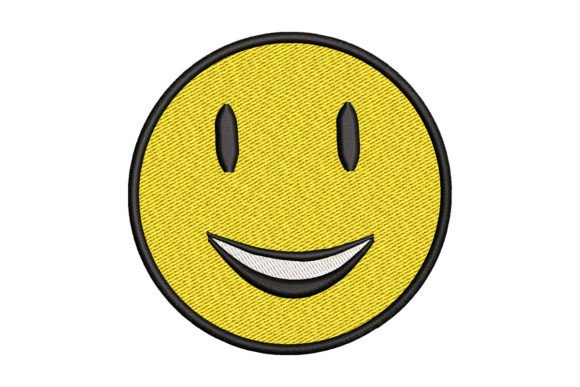
The moment you look at the Smile Emoji, it feels undeniably modern and playful. It does not lean heavily into rustic farmhouse aesthetics or delicate floral elegance; instead, it hits a sweet spot between cute and bold. For a seller looking to attract teenagers or young adults, this design is a natural fit. The concept is universal—everyone understands a smile—and that makes it incredibly accessible. However, the success of this embroidery file depends entirely on execution. If the stitching is too dense, the curve might look muddy. If it is too sparse, it might lack the "pop" needed to stand out on a busy market table. My initial assessment is that this design has high potential as a focal point because it conveys instant positivity without needing words.
Product Performance: Where Does Smile Emoji Shine?
In my experience preparing for a craft fair, not every product sells equally well. Some items are just too niche, while others have mass appeal. Here is how the Smile Emoji translates across different craf t fair product categories:
- Tote Bags: This is arguably the strongest application. A tote bag design featuring a large, cheerful smile creates an instant statement piece. Customers love accessories that make them feel good, and seeing a bright smile on a canvas bag is a mood booster. It works perfectly as a small accent on the side or a large focal design on the front.
- Apron Embroidery: Kitchen items are huge sellers at markets. An apron embroidery project with this design adds a touch of whimsy to a functional item. It appeals to home cooks who want their gear to reflect a happy personality. The contrast of the thread against linen or cotton fabric usually photographs very well for online listings.
- Tea Towel Embroidery: Similar to aprons, a tea towel embroidery piece is a classic gift item. The smile design fits the "home decor" vibe but keeps it youthful. It is a great add-on item to increase the average order value at a booth.
- Embroidered Patches: One of the most profitable angles for this design is turning it into an embroidered patch. You can sew these onto denim jackets, backpacks, or hats. Patches allow for higher price points because they require less labor than full garment embroidery but offer a premium feel.
- Caps and Small Pouches: For caps, the curved surface requires careful hoop placement. The Smile Emoji works well here if sized correctly, acting as a subtle logo rather than a massive graphic. Fabric pouches and pillow covers also benefit from the design's versatility, making it a staple for any handmade product line.
Photography and Visual Appeal
For any Etsy seller or boutique maker, photography is half the battle. The Smile Emoji is designed to photograph well because its shape is geometric and clean. Unlike complex florals that might lose detail in a photo, a smile retains its clarity even in smaller thumbnail images. This makes it ideal for creating printable mockups for your shop before you even cut the thread. The design allows customers to visualize the finished product easily, which drives engagement and sales.
Production Practicality: Batch Making Made Easy
When running a small shop product business, efficiency is key. Can you produce 50 of these items in a day? The answer likely depends on the stitch density. If the design is meant to be a simple, clean graphic, it should machine quickly. However, if the description implies "multiple embroidery" setups (like color changes), you must factor in the time for thread trimming and re-hooping. Ideally, this design should be repeatable for batch production without causing fatigue. If it looks consistent and crisp across different fabrics, it is a winner for commercial use.
Real-World Selling Points
The emotional hook of this design cannot be overstated. In a sea of neutral colors and traditional patterns, a smiling face stands out. It invites interaction. Customers often stop to ask about the meaning behind a design, and a smile naturally sparks conversation. This increases dwell time at your booth, which correlates directly with sales. Furthermore, using this design helps establish brand consistency if you pair it with other cheerful motifs. It signals to buyers that your brand values joy and creativity.
Crucial Notes for the Embroidery Designer
Before you rush to start your next production run, there are technical considerations that could make or break the quality of your finished product.
Stitch Density and Tiny Details: Even a simple smile can have tiny details depending on the digitization. If the eyes or the curve of the mouth are too thin, they may disappear on textured towels or thick denim. Always check the stitch density to ensure the design holds its shape without puckering the fabric.
Fabric Texture and Color: The design will behave differently on a smooth cotton tee versus a rough burlap sack. Dark fabrics require a stabilizer that prevents show-through, while light fabrics need to support the thread weight. Be mindful of thread colors; yellow thread on white fabric can sometimes get lost unless the shade is vibrant enough. Testing on scrap fabric is non-negotiable.
Hoop Size and Curved Surfaces: When working on caps or rounded pouches, the hoop size matters immensely. A design that fits flat on a 4x4 hoop might distort if forced onto a curved cap without proper adjustments. Ensure the digitizer has accounted for the curvature of the target item.
Final Verdict for Market Sellers
The Smile Emoji is a versatile addition to any digital embroidery file collection. It bridges the gap between trendy youth culture and timeless home goods. Whether you are selling to teenagers, parents looking for gifts, or collectors of unique commercial embroidery pieces, this design offers a reliable way to inject happiness into your inventory.
To succeed, treat this as a serious product launch. Create at least one real mockup to test the look and feel. Compare fabric colors, inspect the stitch density under magnification, and confirm your commercial licensing terms before selling finished goods. With the right preparation, the Smile Emoji can become a bestseller in your handmade product lineup, turning a simple digital file into a tangible source of joy for your customers.