Africa Map: A Designer's Review for Craft Fair Success
As an experienced embroidery designer who has spent countless weekends at craft fairs and handmade markets, I know that the difference between a design that sits on a shelf and one that sells out in minutes often comes down to visual impact and practical application. Today, I am reviewing the Africa Map machine embroidery design with a specific focus on its potential as a craft fair product. When I first looked at the description stating this is the perfect embellishment for anyone who loves this beautiful country, I immediately thought about the emotional connection customers have with travel-themed decor. But does it translate well into a physical finished product that stands out in a crowded booth?
First Impressions and Visual Appeal
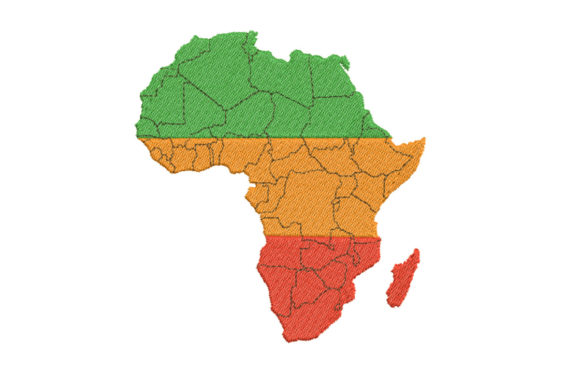
The title Africa Map suggests a design that is likely bold and graphic. In the world of embroidery file assets, map designs are perennial favorites because they tell a story instantly. For a handmade product, the Africa Map design needs to strike a balance between being decorative enough to catch the eye from across a table and detailed enough to look premium up close. Based on the prompt, this design feels like it leans towards modern and elegant rather than rustic or farmhouse, making it versatile for various aesthetics.
When evaluating how this design performs on a display, the Africa Map stands out as a strong focal point. It is not just a pattern; it is a statement piece. For an Etsy seller or a boutique maker, having a design that evokes wanderlust is a powerful tool. The visual appeal relies heavily on thread colors and contrast. If executed correctly, the Africa Map will feel like a high-quality commercial embroidery item that adds significant value to any textile surface. It transforms simple items into giftable treasures that resonate with people who appreciate global culture.
Product Versatility: From Totes to Tea Towels
One of the most critical factors for a successful weekend market is versatility. Can the Africa Map work on multiple items without losing its charm? Absolutely. Here is how I would deploy this design across a typical craft fair inventory:
- Tote Bag Design: This is arguably the strongest application. A large embroidered tote bag featuring the Africa Map becomes a walking advertisement for your brand. It is practical for shoppers, durable, and the flat canvas of a tote allows the map details to shine without distortion.
- Apron Embroidery: For kitchen-focused vendors or those selling home goods, placing the Africa Map on the bib of an apron creates a stunning centerpiece. It elevates a standard kitchen utility item into a conversation starter.
- Tea Towel Embroidery: Linen or cotton tea towels are excellent for showcasing stitch density. The Africa Map works beautifully here as a central motif, offering a sophisticated touch to home decor.
- Embroidered Patch: Converting the design into a patch allows you to sell smaller, lower-priced impulse buys. These are perfect for adding to denim jackets or backpacks, appealing to a younger demographic.
- Caps and Pouches: For smaller accessories, the Africa Map can serve as a chest logo on caps or a front accent on fabric pouches. However, size management is key here to ensure clarity.
- Pillow Covers: As a large focal design on a throw pillow, the Africa Map adds a touch of worldly elegance to living room displays.
Practical Selling and Production Considerations
While the aesthetic is promising, the real test lies in production efficiency. For a small shop product or a busy digital embroidery file creator, time is money. The Africa Map design must be easy to understand at a glance. Does it require excessive hooping and repositioning? Is the stitch density appropriate for high-speed production?
Photography is another crucial element for online listings and printable mockups. A well-executed Africa Map photograph should capture the texture of the threads and the depth of the stitching. Customers need to see the quality before they buy. If the design looks muddy or indistinct in photos, it will hurt sales. Therefore, ensuring the design photographs well is just as important as the stitching itself.
For batch production, the repeatable nature of the Africa Map is vital. If you are creating a collection of matching items, such as a set of gift bags and a pillow, the design should maintain consistency across different fabric textures. It should feel cohesive when displayed together, reinforcing your brand identity as a creator of high-end handmade gifts.
Crucial Notes for Successful Execution
Before committing to a full run of products, there are several technical hurdles to consider. Not all embroidery designs handle every fabric equally well. Dense stitch areas in the Africa Map might cause puckering if the wrong stabilizer is used. Tiny details, which are common in map outlines, can get lost on thick fabrics or textured towels. If you attempt to embroider this on a dark fabric, you must carefully select thread colors to ensure the map remains visible and crisp.
Curved surfaces, like caps, present another challenge. A design that looks perfect on a flat hoop may distort when wrapped around a curve. Similarly, small lettering or intricate borders within the map could lose clarity if the design is scaled down too much for a small pouch or patch. Always inspect the stitch density to ensure the design holds its shape without becoming too stiff or bulky.
Designer's Checklist for Market Readiness
To guarantee that the Africa Map design meets professional standards, I recommend following these essential steps before hitting the craft fair circuit:
- Test on Scrap Fabric: Never skip this step. Stitch the Africa Map on scrap pieces of the actual fabric you intend to use to check for tension and stability.
- Check Thread Contrast: Ensure the thread colors pop against the background fabric. High contrast is key for visibility in a busy market environment.
- Review Spacing and Hoop Size: Confirm that the design fits comfortably within your standard hoop sizes. If the Africa Map is too large, you may need to split the design, which can affect the final look.
- Inspect Stitch Density: Look for areas where stitches might overlap excessively, causing needle breakage or fabric distortion.
- Select the Right Stabilizer: Use heavy-duty stabilizers for items like tote bags and aprons to prevent sagging, and lighter options for delicate items like pouches.
- Create Real Mockups: Produce at least one real sample for your booth display. Digital images are great, but customers want to touch and feel the quality of the embroidery file output.
- Compare Fabric Colors: Test the design on white, black, and neutral tones to see which provides the best visual impact.
- Confirm Commercial Licensing: Before selling finished products, verify that you have the proper commercial license for the digital embroidery file to avoid legal issues.
The Africa Map is more than just a geometric shape; it is a gateway to a narrative of travel and appreciation for the continent. By treating it with the care of a seasoned designer, you can turn this machine embroidery design into a standout item that drives sales and builds your reputation. Whether you are an Etsy seller looking to expand your catalog or a booth owner seeking to refresh your inventory, the Africa Map offers a unique opportunity to blend artistry with commerce. Just remember to test thoroughly, plan your display strategically, and let the quality of your craftsmanship speak for itself.