Llama Embroidery Design Review for Craft Fairs
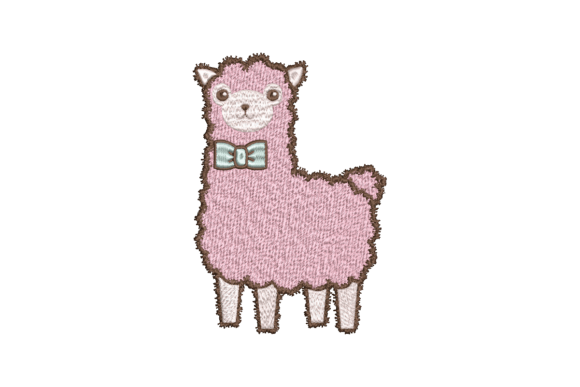
As an experienced embroidery designer who has spent countless weekends setting up booths at local craft fairs and managing a handmade shop, I know that the difference between a design that gathers dust and one that sells out in minutes often comes down to practical execution. Today, I am reviewing a specific digital asset titled Llama, which falls under the Baby Animals category within the broader scope of machine embroidery designs. My goal is to provide a real-world judgment on how this file performs when turned into physical products like tote bags, aprons, and tea towels.
First Impressions: The Vibe of Llama
The title "Llama" immediately suggests a playful, rustic, or perhaps modern farmhouse aesthetic. In the current market for handmade goods, animal motifs are perennial favorites, but they must strike a balance between cute and sophisticated. Based on the description provided—stating this is "The perfect way to decorate your beautiful embroidery projects"—it implies a versatile design meant to enhance rather than overwhelm. However, the warning regarding alterations is critical; it signals that the integrity of the design relies heavily on the original stitch structure. For a seller, this means the Llama design likely features a specific stitch density and flow that should not be resized arbitrarily. If you are looking for a design that feels premium and ready for a high-end boutique display, this file needs to be treated with respect to its original specifications.
Product Potential: Where Llama Shines
When visualizing my weekend booth setup, I imagine a table laden with various handmade product opportunities. The Llama design has significant potential across several categories, but some will naturally draw more attention than others.
- Tote Bags: A tote bag design featuring a Llama is a classic best-seller. It works beautifully as a focal point on the front panel. The whimsical nature of the animal appeals to shoppers looking for everyday utility with a touch of personality. It photographs exceptionally well for online listings, making it a strong candidate for Etsy seller inventory.
- Apron Embroidery: For the kitchen enthusiast, an apron embroidery piece featuring this design adds a charming, rustic flair. It fits perfectly in the farmhouse decor trend that dominates many craft markets.
- Tea Towel Embroidery: These are excellent impulse buy items. A small, well-executed Llama on a linen or cotton tea towel offers high perceived value for a low production cost. The soft texture of the fabric complements the smooth stitches of a well-digitized file.
- Embroidered Patches: If the design allows for clean edges, it could be transformed into a detachable embroidered patch. This expands the market to denim jackets and backpacks, appealing to a younger demographic.
- Cap Embroidery: While curved surfaces present challenges, a smaller version of the Llama can work well on caps. However, this requires careful consideration of the hoop size and the curvature of the hat.
- Pillow Covers and Pouches: These items serve as great gift options. A pillow cover with the Llama design creates a cozy accent for a nursery or living room, while small fabric pouches make adorable accessories for jewelry or makeup.
Selling Strategy and Visual Appeal
In a crowded craft fair environment, the first impression is everything. The Llama design must be legible from a distance. If the design is too intricate, customers walking by might miss the detail entirely. Conversely, if it is too simple, it may lack the perceived value needed to command a higher price point. As a professional, I evaluate whether the design works as a small accent or a large focal element. For maximum sales impact, I recommend positioning the Llama as a central feature on larger items like totes and aprons, where it can truly stand out.
Photography plays a pivotal role in converting interest into sales, especially for digital sellers creating printable mockups or updating their Etsy listings. The design needs to have enough contrast and definition to look crisp in photos. Does the thread color pop against the fabric? Is the shape distinct? A design that looks muddy in person will never sell well online. The Llama design should feel repeatable for batch production, allowing you to create a cohesive collection of items that reinforce your brand consistency.
Practical Production Notes and Warnings
Before committing to a full run of commercial embroidery products, there are technical hurdles every designer must address. The product description explicitly warns: "Any alteration on the file s may affect the output." This is a crucial directive. Resizing the design without proper re-digitization can lead to poor stitch formation, puckering, or lost details.
You must consider the following practical points:
- Stitch Density: Check the stitch density carefully. Dense areas can cause fabric to pucker, especially on lightweight materials. If the design is too heavy for a thin cotton tee, it may warp the garment.
- Fabric Texture: The design may struggle on highly textured fabrics like chunky waffle weaves or thick towels. The needle needs a clear path to penetrate the material without skipping stitches.
- Small Details: Be wary of tiny details or small lettering if you plan to scale the design down. On a small pouch or a cap, these elements might disappear or become illegible blobs.
- Dark Fabric: Ensure there is sufficient underlay and top stitching to cover dark backgrounds. Without proper stabilization and thread coverage, the colors may appear dull.
Essential Designer Checklist
To ensure your finished product meets professional standards, follow this workflow before listing any item for sale:
- Test on Scrap: Always run a sample of the embroidery file on test fabric that matches your final material. Do not skip this step.
- Check Thread Contrast: Verify that the chosen thread colors provide enough contrast against the base fabric to make the Llama design visible.
- Confirm Hoop Size: Ensure your hoop size accommodates the design dimensions without cutting off essential parts of the image.
- Inspect Stabilizer: Use the right stabilizer for the fabric weight. A tear-away might not be suitable for stretchy knits, while cut-away is better for permanent items like bags.
- Create a Real Mockup: Don't rely solely on digital renderings. Create at least one physical mockup to photograph and use in your marketing materials.
- Review Licensing: Before selling finished products, confirm the commercial licensing terms associated with the digital embroidery file.
By treating the Llama design with care and understanding its limitations, you can transform a simple digital asset into a standout craft fair product. Whether you are a solo small shop owner or part of a larger creative enterprise, paying attention to these details ensures that your embroidery business thrives. Remember, the quality of your output defines your brand reputation. Take the time to test, adjust, and perfect, and your customers will reward you with repeat business and glowing reviews.