Letter Z and Flower: A Designer's Real-World Review
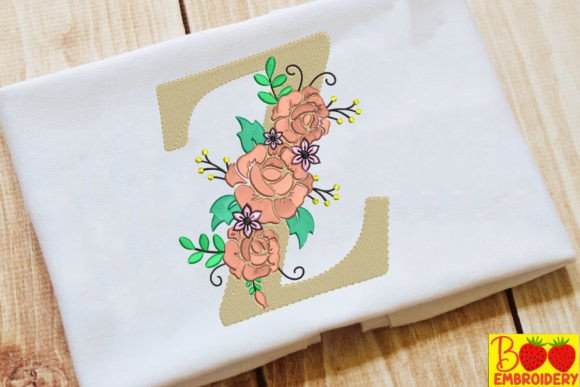
When I first opened the file for Letter Z and Flower, my initial reaction wasn't about the technical specs or the stitch count. It was about the mood. There is a specific energy in embroidery that separates a generic clip-art digitized into thread from a design that feels intentional and alive. This piece strikes a balance between playful personality and elegant structure. The way the floral element intertwines with the bold capital letter creates a natural focal point that draws the eye immediately.
As someone who spends hours evaluating designs for client projects, handmade product lines, and commercial merchandise, I look for more than just aesthetics. I need to know if this design will hold up under the stress of production, if it translates well across different fabric types, and if it adds genuine value to the finished product. My goal here is to give you an honest assessment of how Letter Z and Flower performs when moved from the screen to the hoop, specifically tailored for craft business owners, Etsy sellers, and professional decorators.
First Impressions and Design Personality
The visual weight of this design is surprisingly well-calibrated. The "Z" is not lost against the delicate petals; instead, the flower acts as a sophisticated anchor that grounds the angular nature of the letter. In the world of machine embroidery, where thread can sometimes obscure fine details, this composition suggests a strong foundation. The layout feels organic rather than forced, which is crucial for designs intended for personalized gifts or boutique branding.
It naturally belongs in projects that require a touch of femininity without sacrificing readability. Whether you are creating custom apparel for a small shop or crafting a unique baby item, this design offers a versatile aesthetic. It bridges the gap between a standard monogram and a decorative accent, making it suitable for both subtle branding on tote bags and statement pieces on aprons or sweatshirts.
Real-World Application: From Screen to Stitch
To truly understand the potential of this embroidery file, I put myself in the shoes of a maker preparing a batch of custom products. Imagine you are prepping for a holiday market or fulfilling orders for a personalized gift shop. You decide to use Letter Z and Flower on a set of canvas tote bags and linen tea towels.
In this scenario, the design shines. On a sturdy canvas tote bag, the fill stitches provide enough texture to make the "Z" pop, while the floral accents add a softness that contrasts beautifully with the rougher fabric weave. For kitchen towels, the design allows for a central placement that looks balanced even when the towel is folded. The versatility extends to hats and caps as well; the curvature of the flower helps soften the transition onto the curved surface of a cap brim or front panel.
I also considered its application in the nursery sector. Embroidered baby clothes often suffer from designs that are too stiff or overly complex. However, the fluidity of the flower motif in this design makes it ideal for baby bodysuits or blanket borders. It conveys warmth and care, qualities that parents look for in personalized gifts. If you are an Etsy seller looking to expand your catalog with high-quality digital product previews, mockups featuring this design on pastel fabrics would likely generate significant buyer engagement due to its inherent charm.
Navigating Challenges: Where Caution is Key
While Letter Z and Flower is a robust design, no single digitization works perfectly in every situation. As an experienced reviewer, I must highlight where you should exercise caution. The primary concern lies with small hoop sizes. If you attempt to stitch this on a very small patch or a tiny accessory, the intricate details of the flower might get lost or become distorted due to the limited space.
Fabric selection is another critical factor. Textured fabrics like heavy bouclé or highly stretchy knits can challenge the stability of satin stitches. If the underlying material shifts during stitching, the definition of the "Z" could be compromised. Similarly, using this design on dark fabrics requires careful consideration of thread colors. While the design itself is adaptable, the contrast needs to be managed correctly to ensure the flower doesn't blend into the background.
Dense stitch areas are common in floral designs, and if the stitch density is too high for a thin fabric, it can cause puckering. This is particularly relevant for lightweight shirts or sheer materials used in bridal accessories. Furthermore, if you plan to use this for frequent washing, such as on work aprons or children's clothing, ensure that the stabilizer choice is adequate to support the density of the embroidery over time. Curved surfaces, like baseball caps, require precise hooping techniques to prevent the design from appearing skewed.
Impact on Product Value and Brand Perception
In the competitive landscape of craft business and commercial embroidery, the quality of your digitization directly influences customer trust. A sloppy stitch job can undermine the perceived value of a handmade product, whereas a clean, well-executed design elevates the entire brand. Letter Z and Flower, when stitched correctly, signals professionalism.
For small shop owners, consistency is king. Using a design with clear lines and balanced composition helps maintain a cohesive look across your product line. Whether you are selling embroidered patches, pillow covers, or holiday gifts, this design contributes to a unified aesthetic that customers recognize and appreciate. It enhances the "handmade" appeal by adding a layer of detail that mass-produced items often lack.
The design also supports storytelling. When a customer receives a personalized item with this motif, the combination of the letter and the flower suggests thoughtfulness and attention to detail. This emotional connection is vital for repeat business and positive reviews. It transforms a simple piece of fabric into a keepsake, increasing the likelihood that the buyer will share their purchase on social media, providing free marketing for your shop.
Practical Notes for the Design Professional
Before committing to a full production run, there are essential steps every designer should take. First and foremost, always test the design on scrap fabric that matches your final project material. This allows you to assess how the stitch density interacts with the specific weave of your fabric and whether any adjustments to tension are needed.
Review the thread color contrast carefully. Sometimes a design looks perfect on a white digital background but loses impact on a navy blue shirt. Create black and white mockups to check the silhouette and ensure the "Z" remains legible regardless of color. Confirming the appropriate hoop size is also non-negotiable; try to match the design dimensions to the largest available hoop that fits your garment to minimize distortion.
Don't forget to inspect small details closely under good lighting. Look for any loose threads or gaps in the satin stitches that might indicate a need for digitizing tweaks. Verify whether the design includes necessary components like running stitches for outlines or fill stitches for the body, and ensure they are optimized for your specific machine. Finally, always double-check licensing terms before selling finished items or distributing the embroidery file as part of a digital asset pack. Understanding the commercial rights ensures you avoid legal pitfalls and can sell with confidence.
Ultimately, Letter Z and Flower stands out as a reliable tool in the arsenal of any serious embroiderer. It offers a blend of style and functionality that meets the demands of modern crafting and commerce. By understanding its strengths and respecting its limitations, you can create stunning finished products that resonate with your audience and elevate your craft business.