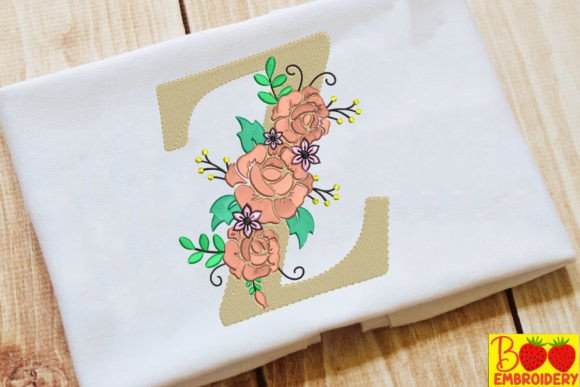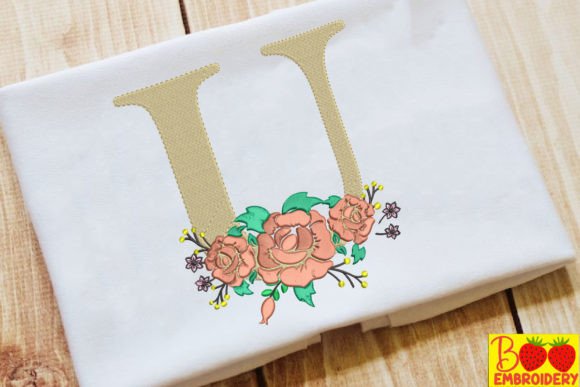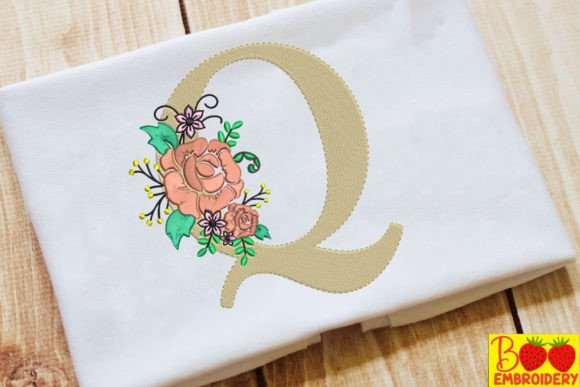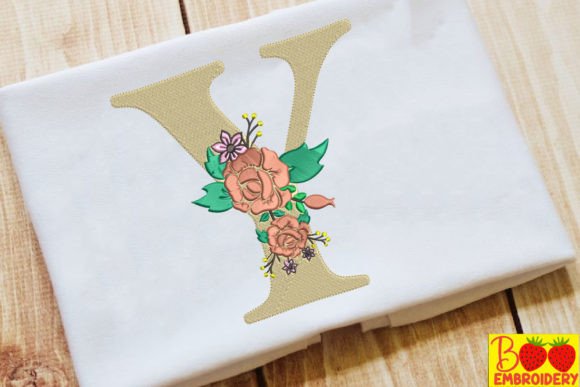
Letter M and Flower: A Designer's Real-World Review
When I first opened the file for Letter M and Flower, my initial reaction wasn't about the technical specs or the stitch count. It was about the mood. There is a specific energy that comes from combining a bold serif alphabet with organic floral elements, and this design captures it perfectly. As someone who has spent years evaluating digital assets for both personal crafting and commercial boutique lines, I look for designs that feel intentional rather than generic. This piece strikes a balance between classic elegance and modern whimsy, making it a strong candidate for anything from a rustic wedding monogram to a trendy handmade tote bag.
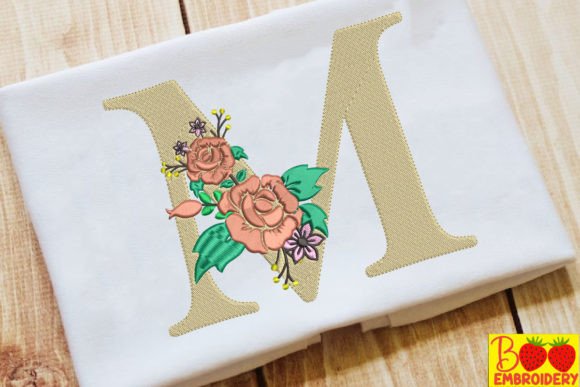
The layout of the Letter M and Flower design is its strongest asset. The letter itself commands attention with clean lines, while the flower element adds a softness that prevents the composition from feeling too rigid. In the world of embroidery, where thread thickness can sometimes obscure fine details, the spacing here feels generous enough to hold up well under the needle. It doesn't scream "I am trying too hard"; instead, it whispers quality. This subtlety is exactly what separates a mass-produced item from a bespoke, handcrafted product that customers are willing to pay a premium for.
From Digital File to Finished Product: A Real Project Scenario
To truly understand how this design performs, we need to move beyond the screen and into the hoop. Let's imagine a practical scenario: I am preparing a custom order for a small business client who sells artisanal kitchen goods. They want a line of embroidered tea towels and aprons featuring their brand initials. The client specifically requested something that felt "homey but chic."
I pulled up the Letter M and Flower file to test on a heavy cotton canvas. The result was immediate satisfaction. The way the flower wraps around the curve of the 'M' creates a natural focal point that draws the eye without overwhelming the fabric texture. On the white towel, the design popped with clarity, looking crisp and professional. However, the real test came when I moved to a darker linen blend for an apron. The contrast became crucial here. While the design works beautifully in light threads on dark backgrounds, the density of the fill stitches needs to be managed carefully to ensure the underlying fabric doesn't show through the gaps.
This same versatility applies to other projects. Imagine stitching this onto a baby onesie for a nursery gift. The floral motif softens the blockiness of the letter, making it perfect for a gender-neutral nursery theme. Or consider using it as a patch on a denim jacket. The combination of the structured letter and the flowing petals offers a great visual break from standard geometric patches. For Etsy sellers, this design is a goldmine because it fits so many niches simultaneously—wedding favors, bridal showers, personalized home decor, and even corporate branding for boutique hotels.
Where Caution is Required: Fabric and Technique
While Letter M and Flower is a robust design, no single embroidery file is a magic bullet for every situation. An experienced designer knows that the success of a project often lies in knowing where not to use it. For instance, if you are working with a very small hoop size, such as one meant for a cuff or a tiny accessory, the detail in the flower might get lost. The petals could merge together, turning a delicate accent into a blurry blob. Always check your intended final size against the complexity of the design before committing to a full production run.
Fabric choice is another critical factor. Stretchy knits, like those found in sweatshirts or t-shirts, require extra care. If the stabilizer isn't applied correctly, the tension from the satin stitches on the letter could cause the fabric to pucker, ruining the shape of the 'M'. Similarly, textured fabrics like bouclé or thick wool can hide the definition of the design. The flower details might not register clearly against a rough surface. In these cases, a smoother backing fabric or a different design style might be more appropriate.
Dense stitch areas are also worth noting. If the design includes large blocks of fill stitch, running it on thin fabric without adequate tear-away or cut-away stabilizer can lead to distortion. The weight of the thread adds up, and if the base material is too flimsy, the finished product will look warped rather than tailored. This is particularly important for items that will undergo frequent washing, like kitchen towels or children's clothing. You want the design to maintain its integrity after multiple cycles, which means paying close attention to the stitch density and ensuring the thread colors are colorfast.
Elevating Brand Value and Customer Trust
In the competitive landscape of handmade goods and digital product sales, the visual appeal of your embroidery directly impacts customer trust. A poorly executed design can make a high-quality product look cheap, regardless of the materials used. Letter M and Flower, when stitched correctly, elevates the perceived value of the item instantly. It signals that the maker cares about aesthetics and precision.
For craft business owners, this design offers a versatile tool for brand consistency. Whether you are creating a series of holiday gifts, a collection of boutique packaging tags, or a set of personalized gifts for a wedding party, the consistent use of this monogram style helps build a recognizable brand identity. Customers remember designs that have a distinct personality, and the blend of typography and nature in this file provides just that.
Furthermore, the design's adaptability makes it excellent for printable mockups and digital previews. When showcasing your work on social media or an online store, having a high-quality image of the Letter M and Flower on various products helps potential buyers visualize the final result. This clarity reduces hesitation and increases engagement, leading to better sales conversion rates.
Practical Notes for the Savvy Embroiderer
Before you start stitching, there are a few essential steps to ensure your project runs smoothly. First and foremost, always test the design on scrap fabric that matches your final material. This allows you to tweak the tension and stabilize settings without risking a ruined garment. Check the thread color contrast carefully; a light gray thread on a white background might look invisible, whereas a navy blue would pop.
Review the stitch density within the software before sending the file to your machine. If the design feels too heavy, consider adjusting the settings or selecting a lighter thread weight. Confirming the correct hoop size is vital to avoid cutting off parts of the flower or the letter during the process. Inspect small details closely; sometimes, the smallest loops in the flower can snag if the tension is off.
It is also wise to test the design in black and white mockups to see how the values translate. Does the flower stand out against the letter? Is the negative space balanced? Finally, verify the licensing terms explicitly. Are you allowed to sell finished products made with this design? Do you need a commercial license for your shop? These legal nuances are often overlooked until it is too late, so take the time to read the fine print regarding embroidery files and digital assets.
Ultimately, Letter M and Flower is more than just a pretty pattern; it is a functional tool for creative entrepreneurs. By understanding its strengths and limitations, you can create stunning custom apparel, personalized gifts, and commercial embroidery projects that stand out in a crowded market. Whether you are a hobbyist making a gift for a friend or an Etsy seller scaling your operation, this design offers the flexibility and beauty needed to bring your vision to life.