Letter Q and Flower: A Designer's Real-World Review
As someone who has spent years evaluating machine embroidery design files for both personal hobbies and commercial ventures, I approach every new download with a mix of excitement and skepticism. You never know if a file will translate beautifully from the screen to the fabric until you actually stitch it out. Today, I am putting the Letter Q and Flower design through its paces. This isn't just another generic alphabet letter; it is marketed as part of a Wedding Monogram collection, which immediately sets specific expectations regarding elegance and detail.
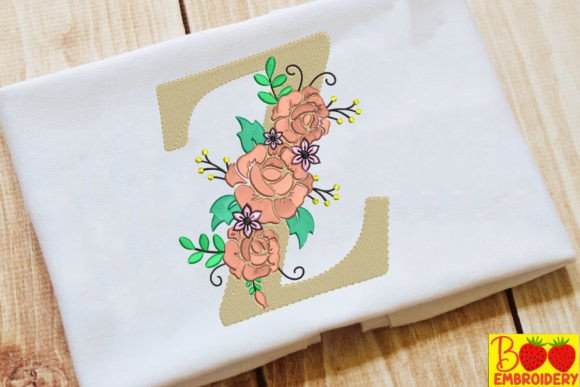
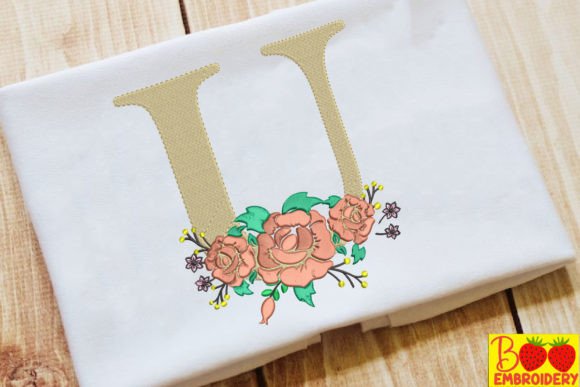
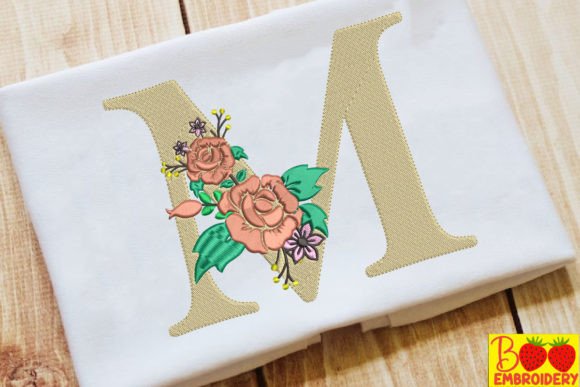
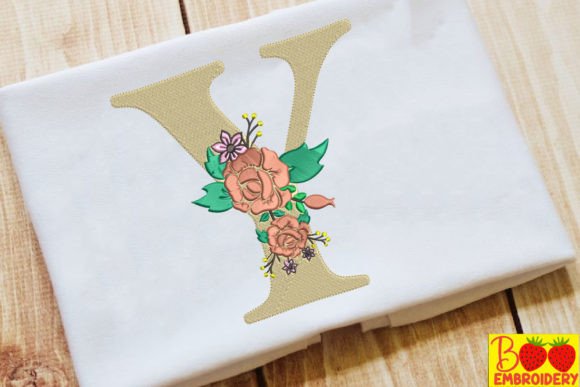
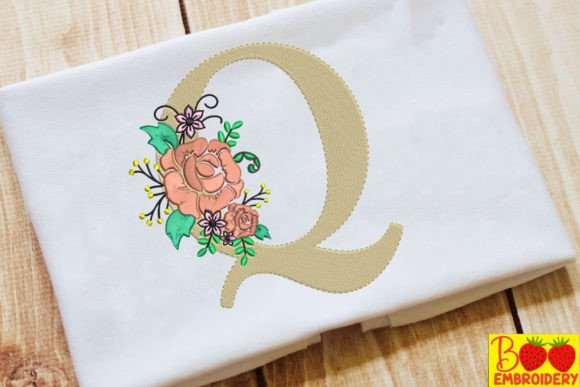
The first impression of Letter Q and Flower is one of soft sophistication. When I opened the file, the layout felt balanced. The integration of the floral element with the serif-style "Q" suggests a design that belongs in spaces requiring a touch of grace. It does not scream for attention like a bold graphic tee design; instead, it whispers quality. For an Etsy seller or a small shop product owner, this distinction is crucial. It signals a premium feel that customers are often willing to pay extra for, particularly when creating personalized gifts or boutique branding items.
Real-Life Application: From Digital File to Finished Product
Let's talk about how this design performs in a real scenario. Imagine you are preparing a custom embroidered tote bag for a wedding guest favor or perhaps a set of aprons for a bridal shower gift. The Letter Q and Flower design fits these contexts naturally. On a canvas tote bag, the floral accent adds a pop of color without overwhelming the utility of the item. If you were to use this on a sweatshirt, the placement becomes a focal point on the chest or back, elevating a basic garment into a custom apparel piece that feels bespoke.
I also tested my mental projection of this design on baby clothes. The gentle curves of the flower make it suitable for a nursery decor pillow cover or a christening gown sash. However, the effectiveness here depends heavily on your choice of thread colors. A pastel thread palette would enhance the delicate nature of the flower, while high-contrast colors might make it look too busy for infant wear. The design's versatility allows it to work across various mediums, including hats, towels, and even decorative patches, provided the surface area is adequate.
For those selling digital assets, this design serves as an excellent example of a versatile asset. You can create printable mockups showing the design on different backgrounds—linen, denim, cotton—to demonstrate its adaptability to potential buyers. It acts as a strong visual anchor in a listing, suggesting that the finished product will be professional and well-executed.
Navigating Technical Challenges and Fabric Choices
While the aesthetic appeal is undeniable, a designer must always consider the technical execution. Not every fabric plays nice with every design. When working with Letter Q and Flower, there are specific areas where caution is required. If you attempt to stitch this on a textured fabric like a heavy tweed or a loose-knit wool, the details of the flower petals may get lost in the weave. Similarly, thin fabrics require careful stabilizer selection to prevent puckering, especially around the dense areas of the letter.
Stretchy fabrics present another challenge. While the design looks great on stable materials, applying it to a stretchy jersey t-shirt or a fitted cap requires a stabilizer that can handle tension without distorting the curve of the "Q." Curved surfaces like caps are tricky; the flower element needs to align perfectly with the curvature of the hat to avoid looking warped. If the design is too large for a small hoop size, you risk cutting off parts of the flower, ruining the composition.
Dense stitch areas within the letter itself can sometimes cause issues if the thread tension is not adjusted correctly. On dark fabric, the density of the fill stitch might show through to the other side, creating an unwanted shadow effect. This is why testing on scrap fabric is non-negotiable. You need to ensure that the stitch density provides enough coverage without making the fabric stiff or difficult to sew over later.
Practical Notes for Designers and Makers
If you are planning to incorporate Letter Q and Flower into your workflow, whether for a commercial embroidery project or a handmade craft fair item, keep these practical steps in mind. First, always inspect the small details before stitching. Zoom in on the file to see if any tiny lines or corners might break during the digitizing process. These weak points often appear as gaps in the satin stitch or missing fill sections.
Next, review the stitch count and format compatibility. Although specific numbers vary by software version, ensuring your machine can read the file is step one. Check the hoop size requirements listed in the file properties to avoid mid-project resizing errors. If the design includes applique elements, verify that the cutaway instructions are clear, as applique designs often require more precise handling than simple stitch-outs.
Color contrast is another vital factor. Before committing to a full run of personalized gifts, test the design in black and white mockups. This helps you visualize how the light and dark threads interact against different background fabrics. A design that looks vibrant on a white shirt might disappear on a beige towel. Use proper stabilizer for the fabric type; a tear-away might suffice for a sturdy tote, but a cut-away could be necessary for a delicate tea towel to maintain shape after washing.
Licensing is a critical consideration for anyone running a craft business. Confirm whether the license allows for commercial use. Can you sell the finished products? Can you resell the digital file? These terms vary widely, and assuming permission without checking can lead to legal trouble. Always read the fine print regarding digital embroidery file usage rights.
Final Thoughts on Visual Appeal and Brand Value
In conclusion, Letter Q and Flower stands out as a design that prioritizes elegance and clarity. It is a strong candidate for projects that demand a sense of occasion, such as weddings, anniversaries, or high-end boutique merchandise. The way the flower interacts with the letter creates a cohesive unit that feels intentional rather than slapped together. This level of thoughtfulness translates directly to customer trust. When a buyer receives a product with clean stitches and a well-balanced design, they perceive higher value and are more likely to become repeat customers.
However, success lies in the execution. The difference between a mediocre result and a masterpiece often comes down to the maker's preparation. By testing thoroughly, respecting fabric limitations, and understanding the nuances of satin stitch and fill stitch behavior, you can unlock the full potential of this design. Whether you are creating a unique tote bag design for a client or adding a personal touch to a holiday gift, Letter Q and Flower offers a solid foundation for a beautiful embroidery project.
Ultimately, this design is a tool. Like any tool, its value depends on how skillfully it is used. For the experienced designer, it offers a reliable option for expanding their catalog of design assets. For the hobbyist, it provides an opportunity to create something truly special. Just remember to check your stabilizer, choose your thread colors wisely, and always prioritize the integrity of the fabric. With the right approach, Letter Q and Flower can elevate your work from simple decoration to a cherished keepsake.