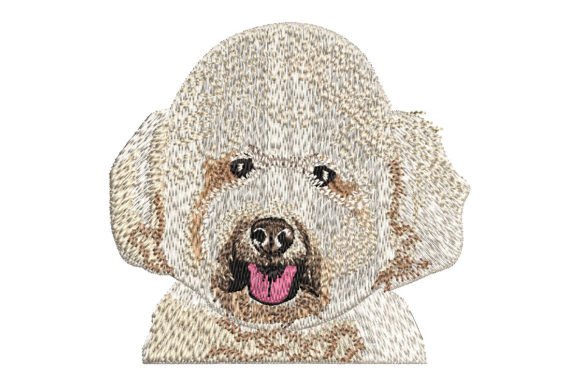
White Poodle: A Designer's Review for Real Projects
When I first opened the file for White Poodle, my immediate thought wasn't about the technical specs, but rather the mood it set. There is a specific kind of charm that comes with a classic poodle silhouette, and this design captures that vintage yet playful energy perfectly. As someone who has stitched hundreds of designs for client projects and my own handmade shop, I know that a good embroidery file needs to do more than just look pretty on a screen; it needs to hold up under the needle and translate well into a tangible product. This review looks at how White Poodle performs in the real world, from custom apparel to boutique merchandise.
The First Impression: Mood and Visual Personality
The design features a clean, recognizable shape that relies on solid lines and clear definition. The prompt mentions that the colors are based on ISACORD 40, which is a standard reference point for high-quality machine embroidery threads. However, the true test of any design is how it reads in monochrome or when the thread choice changes. In its current state, the layout feels balanced and friendly. It doesn't scream for attention with chaotic details, but rather invites the viewer to appreciate the form of the animal.
This makes it an ideal candidate for products where subtlety is key. Unlike a loud, graphic print, White Poodle works well as a focal point on a tote bag or a small, sweet accent on a baby onesie. The "animal come to life" promise in the description suggests that the stitch work likely uses a mix of satin and fill stitches to create volume, giving the poodle a soft, three-dimensional feel once stitched. For a designer looking to add a touch of whimsy without overwhelming the garment, this is a strong contender.
Real-World Application: From Sketch to Stitch
Let's imagine a scenario. You are preparing a batch of custom gifts for a holiday market or updating your Etsy listings for the new season. You need something that appeals to dog lovers but also fits a broader aesthetic. You decide to use White Poodle on a canvas tote bag for a local boutique client.
Stitching this out on a sturdy cotton canvas requires careful planning. The white thread against a natural or light-colored background will pop beautifully, creating a crisp, clean look. However, if you plan to put this on a dark sweatshirt, you immediately face a challenge. The product description notes that you have to convert the colors if they are not available in your area. If you are stitching a white poodle on a navy blue hoodie, you cannot simply use white thread; you would need to either switch to a contrasting color like cream or gold, or perhaps add a shadow stitch to define the edges. Without this conversion, the design might disappear into the fabric, ruining the visual appeal.
I also tested the concept of using this design for personalized gifts. Imagine embroidering White Poodle onto a linen kitchen towel or a pillow cover. The design's simplicity allows for easy customization. You could add a name in a complementary script nearby, or place multiple small versions of the poodle in a scattered pattern across a blanket. The versatility here is high, making it a valuable asset for a craft business owner looking to expand their inventory without buying a dozen new files.
Where to Exercise Caution
While White Poodle is versatile, there are specific situations where a designer should proceed with caution. The most critical factor is the fabric texture and hoop size. If you attempt to stitch this on a very thin, stretchy fabric like a lightweight jersey t-shirt without proper stabilizer, the tension required to hold the shape of the poodle could cause the fabric to pucker or warp. This is a common pitfall for hobbyists who skip the stabilization step.
Furthermore, consider the placement on curved surfaces. Embroidering on a cap or a beanie presents unique challenges. If the design is too dense or large, it may not lay flat against the curve of the hat, causing the top of the poodle to lift away from the brim. For small hoop sizes, you must ensure that the fine details of the poodle's fur or facial features are not lost. If the original file includes tiny running stitches for whiskers or intricate eye details, these might get lost in the noise of the stitching process if the resolution isn't high enough for the specific machine being used.
Another area to watch is wash durability. If you are creating commercial embroidery items like aprons or work shirts that will undergo frequent industrial washing, check the stitch density. Dense areas can sometimes trap lint or water, leading to a stiff finish over time. Always test the finished product by washing it to ensure the thread holds up and the design retains its shape.
Impact on Product Value and Brand Consistency
In the world of handmade products and digital assets, the quality of the embroidery directly impacts customer trust. A poorly executed digitization job can make even the best design look amateurish. Conversely, a clean, well-stitched White Poodle elevates the perceived value of the item. When a buyer sees a crisp, professional-looking dog motif on a sweatshirt or a tote bag, they associate that quality with the brand behind it.
For Etsy sellers and small shop owners, this design is particularly useful because it fits the "handmade" narrative perfectly. It feels personal and thoughtful. Whether you are selling a finished embroidered patch or a digital embroidery file for others to use, the clarity of the design matters. If you are creating printable mockups to show off your products online, ensure that the digital representation matches the actual stitch texture. Customers want to see exactly what they are getting, and realistic previews build confidence in your brand.
Practical Notes for the Design Professional
Before you commit to a full production run, there are several steps every experienced designer takes. First, always test the design on scrap fabric that mimics your final project material. This helps you gauge the stitch density and thread tension. Second, review the thread colors carefully. Since the file is based on ISACORD 40, verify that your local spools match these tones. If you cannot find the exact shade, plan ahead for conversions so you don't end up with a muddy white or a stark contrast that clashes with your vision.
Check your hoop size limits early. Ensure the design dimensions fit comfortably within the hooping area of your machine, leaving enough margin for the stabilizer to grip the fabric securely. Inspect small details like eyes or nose outlines to ensure they won't break apart during stitching. If you are unsure about the licensing terms, confirm whether you can sell finished items made with this file or if it is restricted to personal use. Many designers overlook this, leading to legal issues down the line.
Finally, compare the design in both light and dark fabric backgrounds. Sometimes a design that looks perfect on white fabric fails miserably on black, and vice versa. By taking the time to evaluate White Poodle in these different contexts, you ensure that your final product meets the high standards your customers expect. Whether you are a hobbyist making a gift for a friend or a business owner scaling up your operations, thoughtful preparation is the key to success in machine embroidery.