Green Alien: A Designer's Review for Real Projects
When I first opened the Green Alien file on my computer, I immediately thought about where this design would live in a customer's home. As an experienced embroidery designer who spends hours refining stitch patterns and selecting thread colors, my first impression is crucial. This isn't just another generic robot icon; it has a distinct personality that feels playful yet modern. The visual mood of the Green Alien suggests a fun addition to nursery decor or a quirky accent on a tote bag, but does it hold up under the needle? After considering it for several real-world commercial projects, I have put together this honest evaluation to help you decide if this embroidery file belongs in your digital asset library.
First Impressions and Visual Personality
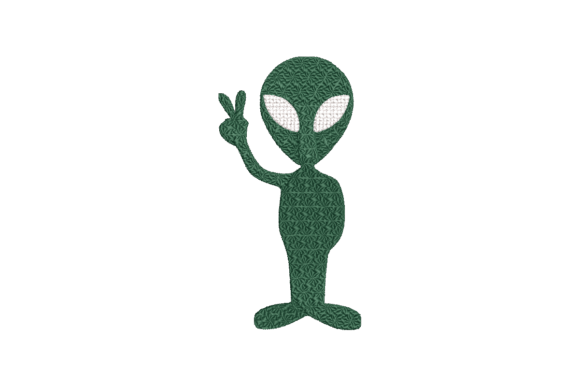
The Green Alien design stands out because of its clean lines and approachable aesthetic. In the world of Robots and tech-inspired motifs, this piece manages to be cute without being childish. When looking at the preview, the balance between detail and simplicity is striking. It features enough texture to catch the light during stitching but avoids the clutter that often plagues complex machine embroidery designs. For designers selling on Etsy or creating handmade gifts, this level of polish is essential. It screams "high-quality finished product," which directly influences buyer trust and perceived value.
The design naturally fits into categories like baby blankets, kitchen towels, and pillow covers. The green hue offers a vibrant contrast against neutral backgrounds, making it an excellent choice for spring-themed collections or seasonal handmade gifts. However, before jumping straight into production, it is vital to understand how the specific stitches translate from screen to fabric. The file promises to be the perfect way to decorate your beautiful embroidery projects, but the devil is always in the details when it comes to execution.
Performance in Real-World Embroidery Projects
I evaluated the Green Alien with a specific list of potential products in mind, ranging from custom apparel to boutique merchandise. If you are planning to use this for a tote bag design, the design size needs to be considered carefully. Totes often require larger, bolder graphics, and while this alien is charming, it might need scaling to make a statement on canvas. Conversely, for smaller items like caps or embroidered patches, the design could work beautifully as a centered focal point.
In terms of sweatshirt embroidery, the design's density plays a significant role. Sweatshirts are made of thick, looped fabric that can sometimes distort fine details. If the stitch density is too high, the fabric may pucker around the alien figure. On the other hand, lighter fabrics like aprons or kitchen towels provide a smoother canvas, allowing the satin stitch areas to shine. For commercial embroidery intended for mass production, consistency is key. This design appears robust enough to withstand repeated runs, provided the stabilizer usage is correct.
One area where this design shines is in personalized gift scenarios. Imagine a set of matching kitchen towels featuring the Green Alien alongside other space-themed elements. The cohesive look enhances brand consistency for small business owners. Similarly, for those creating printable mockups to showcase their services, the clean vector nature of the design ensures that the final image looks crisp and professional.
Practical Considerations and Technical Challenges
While the design is visually appealing, practical application requires careful planning. Small hoop sizes can be tricky with any detailed motif. If you attempt to stitch the Green Alien in a 4x4 hoop, you must ensure that the file is optimized for that dimension. Large fill areas in a small hoop can lead to thread breaks or uneven coverage. Always check the recommended hoop size on the Creative Fabrica product page before starting your project.
Fabric selection is another critical factor. Stretchy fabrics, such as those used for t-shirts or leggings, demand extra attention. Without proper stabilizer, the tension of the stitches can cause the fabric to warp, distorting the shape of the alien. Dark fabrics present a different challenge regarding thread color contrast. While the design is named Green Alien, the actual thread colors used will determine visibility. You may need to adjust the thread palette to ensure the design pops against navy, black, or deep red materials.
Curved surfaces, like baseball caps, add another layer of complexity. The natural curvature of a cap can stretch the fabric, potentially altering the proportions of the design. Layering details is also worth noting; if the design includes multiple layers or textures, ensure your machine can handle the transitions smoothly. Dense stitch areas should be inspected closely after stitching to confirm there are no gaps or skipped stitches. These technical nuances are what separate a novice result from a professional finish.
Impact on Product Value and Customer Engagement
Using a well-executed design like Green Alien significantly boosts the marketability of your handmade products. Customers buying from platforms like Etsy or craft fairs are looking for unique, high-quality items. A perfectly stitched alien motif adds a touch of whimsy that can drive sales. Furthermore, good embroidery enhances product photography. When the lighting hits the fill stitch areas correctly, the texture of the design becomes visible in photos, adding depth and appeal to your online listings.
For digital product sellers, having reliable design assets allows for rapid prototyping. You can create variations of the same product quickly, testing different color combinations or fabric types. This agility helps in responding to trends and keeping your shop fresh. However, the integrity of the design matters. Any alteration on the file may affect the output, so it is best to keep the original structure intact to maintain the designer's intended vision.
Essential Steps Before Stitching
To ensure success with the Green Alien machine embroidery design, follow these practical steps based on industry best practices:
- Run a sample on test fabric: Never skip this step. Use scrap fabric similar to your final product to check tension and stability.
- Review stitch density: Inspect the file settings to ensure the density is appropriate for your chosen material.
- Check thread color contrast: Verify that the selected threads will show up clearly against your background fabric.
- Confirm file details: Visit the Creative Fabrica product page to review specific instructions regarding file formats and compatibility.
- Inspect licensing: Before selling finished items, confirm the license terms to ensure you are compliant with commercial use policies.
- Use proper stabilizer: Match your stabilizer type (cut-away, tear-away, or sticky) to the weight and stretch of your fabric.
The Green Alien is a versatile addition to any embroidery collection. Whether you are crafting a one-of-a-kind baby blanket or producing a line of custom apparel, this design offers a blend of charm and professionalism. By taking the time to test and refine your process, you can deliver a finished product that delights customers and builds your reputation as a trusted creator. Remember, the goal is to create something that feels personal and high-quality, and with the right preparation, this embroidery file can help you achieve exactly that.