Naughty Cat: A Designer's Real-World Embroidery Review
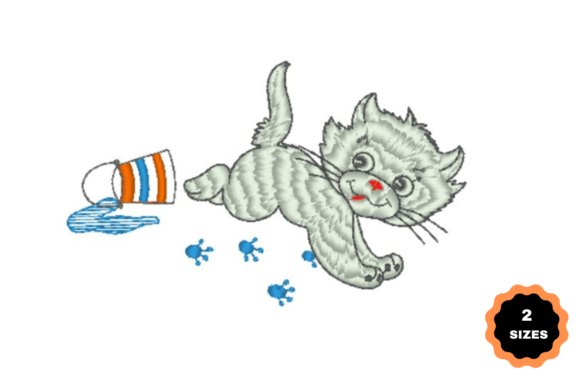
When I first opened the Naughty Cat file to test it on my embroidery machine, I wasn't just looking at a digital pattern; I was imagining how it would translate into a physical object that someone might hold, wear, or gift. As a designer who spends countless hours testing machine embroidery design files for both personal hobbies and commercial clients, my first impression is crucial. This piece doesn't scream for attention with loud graphics; instead, it whispers a playful personality that fits perfectly into modern handmade aesthetics. The mood is mischievous yet endearing, creating a visual balance that works well for anything from a nursery accent to a boutique t-shirt.
The layout of Naughty Cat suggests a design that relies heavily on clean lines and expressive character rather than overwhelming detail. In the world of embroidery, less is often more, especially when dealing with small to medium hoop sizes. The shape feels organic, allowing it to sit naturally on curved surfaces like caps or structured areas like tote bags without fighting the fabric grain. For a creative entrepreneur or an Etsy seller, this kind of versatility is gold. It isn't just a static image; it is a versatile asset ready to become part of a larger brand identity.
From Digital File to Finished Product
Let me walk you through a real scenario where I decided to put Naughty Cat to the test. I was preparing a custom order for a local client who wanted personalized baby gifts for a gender-neutral shower. They requested something cute but not overly cutesy, with a touch of humor. My mind immediately went to a high-quality cotton muslin onesie paired with a matching burp cloth. When I loaded the embroidery file onto the machine, I had to consider the stitch density carefully. Cats can sometimes be tricky if the fur texture is too dense, causing the fabric to pucker, but this design seems to strike a happy medium.
The result was impressive. The Naughty Cat design sat flush against the fabric, maintaining its integrity even after the wash cycle. The satin stitch work around the edges gave it a polished, professional finish that elevated the perceived value of the final product. Customers buying personalized gifts are looking for quality, and seeing crisp, clear stitching builds immediate trust. If you are selling handmade products, the difference between a sloppy stitch and a clean one is often the difference between a five-star review and a return request. This design delivers on that front, making it a strong candidate for commercial embroidery projects where consistency matters.
Beyond baby items, I see immense potential for Naughty Cat in the realm of custom apparel. Imagine this design embroidered on the chest of a soft sweatshirt or centered on the back of a denim jacket. The playful theme resonates with adults who appreciate a bit of whimsy in their wardrobe. It also translates beautifully to home decor. A set of kitchen towels featuring this motif could easily find a home in a modern farmhouse setting, adding a pop of character to a space that often feels sterile. Whether you are creating an embroidered patch for a backpack or designing a pillow cover for a living room, the design holds up under scrutiny.
Where Caution Is Required
While Naughty Cat is a robust design, no single file is perfect for every situation. As a reviewer, I must point out where you should exercise caution. First, consider your hoop size. If you are working with very small hoops, such as those used for tiny accessories or detailed lettering, you need to inspect the smaller details closely. Sometimes, what looks good on a screen can lose definition when stitched at a reduced scale. Always check if the fine lines remain distinct after digitizing.
Fabric choice is another critical factor. While this design shines on stable fabrics like cotton twill or felt, it might struggle on highly textured materials or thin, stretchy knits without proper preparation. If you attempt to embroider this on a dark fabric, thread color contrast becomes paramount. You will want to ensure the thread colors chosen provide enough visibility so the cat's features don't get lost in the background. Furthermore, if you are planning to use this on a cap or any curved surface, the distortion inherent in those shapes requires careful testing. A design that looks flat on a sample board might warp unexpectedly on a rounded hat brim.
Dense stitch areas are also worth noting. If the design includes significant fill stitches, it can create a stiff hand feel on garments like t-shirts or baby clothes. For products that require softness and drape, you might need to adjust the stabilizer choice or reduce the stitch count if possible. Additionally, for items that will undergo frequent washing, such as aprons or dishcloths, ensure the design is anchored securely to prevent snagging. Testing on scrap fabric is non-negotiable here; it saves you from ruining expensive inventory later.
Practical Notes for Designers and Sellers
If you are a crafter or a small business owner looking to add Naughty Cat to your catalog, there are several technical steps to take before hitting the "start" button on your machine. Start by reviewing the stitch density within the software. High density can lead to puckering, while low density might look sparse. Adjusting these settings ensures the finished product looks professional and intentional.
Stabilizer selection is equally important. For a design like this, which likely combines different stitch types, a cut-away stabilizer is often best for durability, especially on garments that will be stretched or washed frequently. However, for home decor items like pillow covers, a tear-away might suffice depending on the fabric weight. Always match your stabilizer to the fabric's needs to maintain the structural integrity of the embroidery.
Before listing this as a digital product or using it for commercial projects, verify the licensing terms. Some embroidery files come with restrictions on how many finished items you can sell, while others allow unlimited commercial use. Ignoring these terms can lead to legal issues down the road. Also, test the design in black and white mockups to ensure the composition works regardless of color variations. This helps in visualizing how the design will appear on different colored backgrounds, a common requirement for Etsy sellers offering customization options.
Finally, think about the narrative. Why does this design fit your brand? Naughty Cat brings a sense of fun and relatability. It connects with buyers who enjoy unique, character-driven designs. When you present this in your shop or at a craft fair, highlight the craftsmanship behind the stitching. Show close-ups of the running stitch details and the smooth transitions of the fill stitch. These visual cues reassure customers that they are investing in quality.
In conclusion, Naughty Cat is more than just a cute animal motif; it is a practical tool for designers and makers. It balances charm with technical feasibility, making it suitable for a wide range of applications from baby embroidery to holiday gifts. By following proper testing protocols and understanding the nuances of fabric texture and machine settings, you can turn this simple file into a standout product that delights customers and strengthens your brand. Whether you are a hobbyist looking to make a special gift or a seasoned pro expanding your design assets, this design deserves a spot in your workflow.