Red Flower Tree: A Designer's Real-World Review
As a designer who has spent years evaluating digital assets for commercial use, I approach every new embroidery file with a mix of excitement and skepticism. We often see designs that look perfect on a screen but fail miserably when the needle hits the fabric. That is why I decided to put Red Flower Tree through its paces before committing it to any client project or Etsy listing. This isn't just about whether the design stitches; it is about how it elevates a product, builds customer trust, and fits into the workflow of a busy small business owner.
The First Impression: Mood and Visual Personality
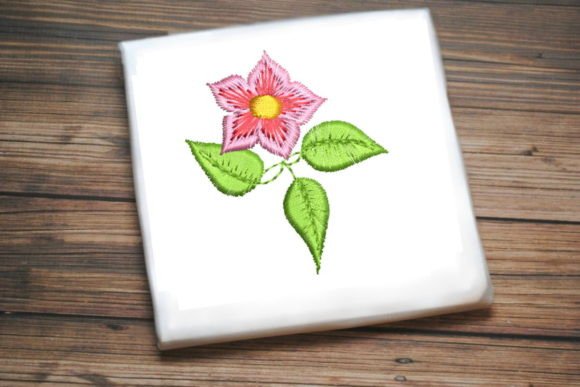
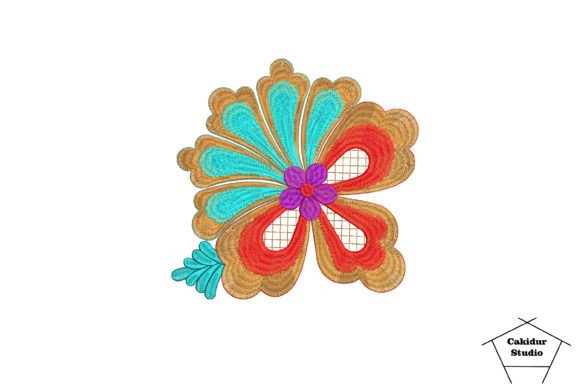
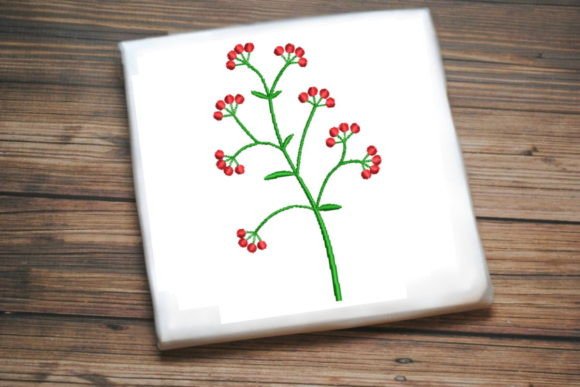
When you first open the folder for Red Flower Tree, the immediate feeling is one of warmth and organic elegance. Unlike rigid geometric patterns or overly complex scenes, this piece in the Single Flowers category strikes a balance between whimsy and sophistication. The layout suggests a blooming tree or a large floral arrangement that feels natural rather than forced. It creates a mood that is welcoming and celebratory, making it an ideal candidate for gifts, baby items, or boutique branding.
The visual personality here is key. It does not scream for attention with chaotic details but instead offers a refined statement piece. For a crafter looking to create a cohesive brand identity, this design provides a consistent aesthetic that can be repeated across different products without losing its charm. Whether you are designing a holiday collection or a spring line, the red tones offer a vibrant pop against neutral backgrounds while remaining versatile enough for softer color palettes.
Real-Life Application: From Screen to Finished Product
I recently tested this design with a specific scenario in mind: creating a custom embroidered tote bag for a local artisan market. The goal was to produce a high-quality handmade product that felt personal yet professional. I loaded the machine embroidery design onto my hoop, selecting a sturdy canvas material for the bag. The result was striking. The design stitched cleanly, maintaining its shape even on a slightly textured surface.
This versatility extends far beyond tote bags. Imagine Red Flower Tree adorning a sweatshirt for a cozy winter gift, or perhaps stitched onto a pillow cover for a nursery. The design scales well, allowing it to work as a focal point on a large apron or as a subtle accent on a baby onesie. For an Etsy seller or small shop product creator, this flexibility is gold. You can take one digital asset and turn it into multiple revenue streams—a tote bag design, a kitchen towel, or a decorative patch.
In terms of stitching clarity, the design handles both satin stitch and fill stitch elements beautifully. The lines remain crisp, ensuring that the final image looks sharp rather than muddy. When customers receive a personalized gift with such clear definition, their perception of value increases immediately. It signals that the maker cares about quality, which fosters long-term loyalty and positive reviews.
Where to Exercise Caution: Limitations and Challenges
While Red Flower Tree is a robust design, no single file is perfect for every situation. As an experienced reviewer, I must highlight where this design might struggle. If you are working with very small hoop sizes, you may find that the intricate details of the tree branches become too crowded. Tiny lettering or fine lines in dense areas can sometimes blur if the resolution of the original file is not optimized for miniaturization.
Fabric choice plays a massive role in success. On stretchy fabrics like jersey knit, the density of the fill stitches can cause puckering if the proper stabilizer is not used. Similarly, on dark fabrics, the contrast of the thread colors needs to be carefully managed. While the red flowers will stand out, lighter background threads might get lost unless you use a high-density underlay or a contrasting base layer. I also advise caution when using this on curved surfaces like caps; while possible, it requires advanced digitizing skills to ensure the design lays flat without distortion.
For products that require frequent washing, such as daily-use aprons or children's clothing, ensure that the stitch density is sufficient to withstand friction. However, avoid placing this design on extremely thin fabrics where the weight of the embroidery could cause the material to tear over time. Always test the durability by running a wash cycle on a scrap piece before mass-producing your inventory.
Design Notes for the Practical Maker
To get the best results from Red Flower Tree, there are several technical steps every designer should follow. First and foremost, always test the design on scrap fabric before starting your actual project. This simple step saves money on materials and prevents costly mistakes. Check the thread colors against your chosen fabric to ensure the contrast is visible and appealing.
Review the stitch density within your software. If the design appears too heavy for your intended fabric, consider adjusting the settings or choosing a lighter stabilizer. Confirm your hoop size matches the dimensions of the design to avoid unnecessary trimming or resizing that could alter the aspect ratio. Inspecting small details under good lighting is crucial; sometimes, a tiny gap in a satin column only becomes apparent once the machine starts running.
It is also wise to test the design in black and white mockups. This helps you visualize the contrast and structure without being distracted by color choices. Compare how the design looks on light versus dark backgrounds to ensure it maintains its integrity across different product lines. Using the proper stabilizer is non-negotiable; for woven fabrics, a cut-away stabilizer often provides the best support, while knits may benefit from a tear-away or sticky-back option depending on the weight.
Finally, confirm your licensing terms. If you plan to sell finished items featuring this design, verify that your purchase includes commercial rights. Many digital embroidery files come with restrictions that allow personal use but prohibit resale. Understanding these terms protects your business from legal issues and ensures you are operating ethically within the craft business community.
Final Thoughts on Value and Versatility
Red Flower Tree proves itself as a valuable addition to any library of design assets. It bridges the gap between hobbyist fun and professional polish. For those looking to expand their commercial embroidery offerings, this design offers a reliable foundation for creating unique, high-value items. Whether you are crafting a holiday gift for a loved one or building a boutique branding campaign, the elegance of this piece shines through.
By paying attention to fabric selection, stabilizer usage, and testing protocols, you can maximize the potential of this embroidery project. It is a reminder that the best tools in our arsenal are not just the machines or the software, but the thoughtful judgment we apply to them. With careful execution, Red Flower Tree can transform a simple piece of cloth into a cherished keepsake or a standout product in your online store.