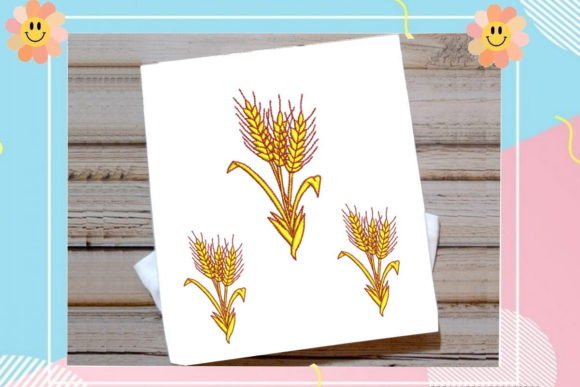
Ears of Corn: A Designer's Take on Farm-Style Embroidery
As someone who has spent years reviewing digital assets for both personal craft projects and commercial small business ventures, I know that the difference between a design that sells and one that sits in a folder is often found in the details. Today, I am putting Ears of Corn through its paces to see if it truly delivers on the promise of making fabric look sweet and beautiful. This isn't just another generic farm-themed graphic; it is a specific machine embroidery design that needs to prove itself in real-world stitching scenarios before it earns a spot in your production queue.
The first impression of this piece is warm and inviting. In a market saturated with complex florals or abstract geometric patterns, Ears of Corn brings a grounded, rustic charm that feels perfectly at home in autumnal collections or country-style decor. The visual personality is distinct without being overwhelming. It strikes a balance between detailed enough to hold interest and simple enough to stitch cleanly on a variety of surfaces. For designers looking to add a touch of harvest warmth to their inventory, this design offers a natural aesthetic that resonates well with customers seeking handmade authenticity.
Real-World Application: From Concept to Finished Product
To truly understand the value of this file, I imagined placing Ears of Corn into a specific workflow. Let us say you are an Etsy seller preparing a limited run of custom kitchen towels for the holiday season. You want something that evokes nostalgia but remains modern enough to fit a contemporary farmhouse kitchen. This design fits that brief perfectly. When stitched onto a high-quality linen tea towel, the central motif acts as a focal point that draws the eye immediately.
I also considered how this would translate to custom apparel. Imagine a crewneck sweatshirt for a boutique brand targeting outdoor enthusiasts or parents. The Ears of Corn layout works beautifully on the chest area of a hoodie or centered on the back of a tote bag. The shape suggests growth and abundance, which adds a layer of meaning beyond just decoration. If you are creating personalized gifts for a client who loves gardening or farming, this design serves as a subtle nod to their lifestyle without being too literal or cliché.
The versatility extends to baby items as well. A soft cotton onesie adorned with this motif can make for a thoughtful nursery gift. The rounded edges of the corn cobs are generally forgiving, making them suitable for delicate fabrics used in baby clothes. However, the success of this application relies heavily on the thread colors chosen. Using muted sage greens and golden yellows against a cream background creates a sophisticated look, whereas bright primary colors might lean too heavily into a cartoonish style.
Where the Design Shines in Commercial Projects
For small shop owners and craft fair vendors, Ears of Corn is a strong candidate for products that need to convey quality and care. When used on durable materials like canvas for tote bags or denim for patches, the design holds up well under scrutiny. Customers browsing a booth will appreciate the texture and depth that proper embroidery provides compared to screen printing. The design assets here support a narrative of handmade craftsmanship, which is crucial for building customer trust and justifying higher price points.
In the realm of home decor, this design excels on pillow covers and aprons. The symmetry and structure of the corn motif allow it to sit flat and look professional even on slightly textured fabrics. When paired with complementary elements, such as leaves or ribbons, it can be expanded into larger compositions for quilt blocks or wall hangings. For digital product sellers, this file is excellent for creating printable mockups that showcase potential finished products, helping buyers visualize the final result before they commit to a purchase.
Practical Considerations and Potential Pitfalls
While the aesthetic appeal is clear, a designer must approach any new file with a critical eye regarding technical execution. There are specific scenarios where Ears of Corn requires careful consideration to avoid frustration. First, consider the hoop size. If the design is intended for a smaller 4x4 hoop, ensure that the detail level does not get lost in the stitching process. Tiny details can sometimes blur together when the fabric tension is not perfect, especially on stretchy knit fabrics.
Fabric texture plays a significant role in the final outcome. While this design looks great on stable weaves like cotton duck or linen, applying it to highly textured bouclé or thin, sheer materials can lead to puckering or distortion. The density of the fill stitches is another factor to watch. On dark fabrics, you may need to adjust the underlay or use a different thread weight to ensure the design pops and remains legible. Without the right stabilizer, even the best design can fail to maintain its shape after washing.
Curved surfaces like caps present a unique challenge. While many designs work well on flat panels, transferring this motif onto the curved front of a hat requires precise digitizing adjustments to prevent the image from warping. If you are planning to sell embroidered patches using this design, verify that the border is sufficient to prevent fraying during the cutting process. Additionally, if the design includes tiny lettering or intricate corner details, test these areas thoroughly, as they are often the first to show wear or lose definition over time.
Essential Notes for the Embroidery Designer
Before integrating Ears of Corn into your commercial offerings or personal collection, there are several practical steps you should take to ensure success. Always test the design on scrap fabric first to gauge how the threads interact with your specific material. Check the thread color contrast carefully; what looks good on a computer screen may not translate well to physical thread sheen.
- Review Stitch Density: Ensure the fill stitches are not too dense, which can cause the fabric to bunch up, or too sparse, which might leave gaps in the imagery.
- Confirm Hoop Size: Verify that the design dimensions align with the hoops available in your studio to avoid scaling issues.
- Inspect Small Details: Zoom in on the finest lines to ensure they will stitch out clearly without breaking needles or tangling thread.
- Test Black and White Mockups: Convert your digital preview to grayscale to check the value contrast before committing to expensive thread colors.
- Check Fabric Compatibility: Compare how the design performs on light versus dark backgrounds to determine the best base fabric for your target audience.
Licensing is another critical component that cannot be overlooked. Before selling finished items featuring Ears of Corn, confirm whether the license allows for commercial use. Some digital embroidery files are restricted to personal projects only, while others permit the sale of physical goods. Misunderstanding these terms can lead to legal issues down the line. Similarly, if you are reselling the digital file itself, ensure you have the rights to do so.
Ultimately, Ears of Corn represents a solid addition to a designer's library of farm-themed assets. Its ability to evoke a sense of warmth and tradition makes it a versatile choice for everything from holiday gifts to boutique branding. By approaching the design with a focus on testing, fabric selection, and proper stabilization, you can transform this digital file into a high-value finished product that delights your customers and enhances your brand reputation. Whether you are a hobbyist maker or a seasoned entrepreneur, taking the time to evaluate the practicalities of the stitch density and placement will pay dividends in the quality of your final output.