Winter Branch: A Designer's Honest Review
As an experienced embroidery designer who spends countless hours testing digital assets for real-world commercial projects, I recently came across a design titled Winter Branch on Creative Fabrica. When you are managing a small business or creating handmade goods for Etsy, the difference between a generic clip art and a functional machine embroidery design is often the difference between a quick sale and a customer complaint. I decided to evaluate this specific winter tree design not just as a file, but as a potential component in a finished product line.
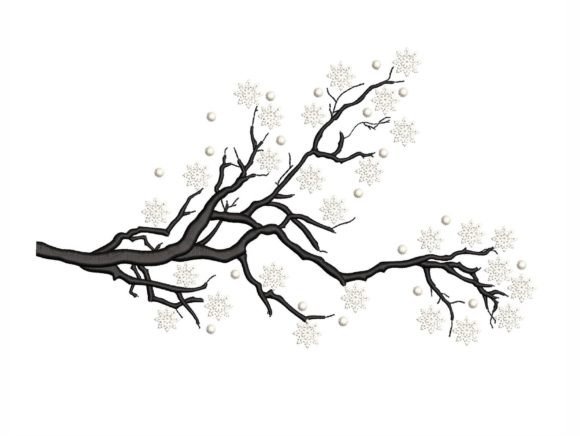
The initial visual impression of Winter Branch is strikingly whimsical. It captures that crisp, frosty atmosphere of the season without feeling cluttered. For designers looking to create seasonal collections, this piece offers a clean aesthetic that translates well from screen to fabric. The description promises a "splendid winter tree" intended to bring a frosty look to any textile. In my experience, designs that rely on heavy fill stitches can sometimes feel stiff or overwhelming on smaller items, but this branch design appears to balance decorative appeal with structural integrity. It feels like a natural fit for nursery decor, kitchen textiles, or boutique apparel where a touch of nature-inspired charm is desired.
Real-World Application for Handmade Products
When considering Winter Branch for actual production, I looked at how it would perform across various categories of handmade products. The versatility of a single embroidery file is crucial for maximizing profit margins. This design could serve as the centerpiece for a variety of custom apparel and home goods. Imagine placing this frosty tree motif on a canvas tote bag design; the clean lines of the branches would contrast beautifully against the textured fabric, making it an ideal gift item for the holidays.
For those selling on platforms like Etsy, visual consistency is key. Winter Branch fits seamlessly into a cohesive brand identity focused on cozy, wintery themes. It works exceptionally well for baby blankets, where softer aesthetics are preferred, and for aprons used in holiday baking. The design's ability to convey a specific mood allows it to elevate simple items into personalized gifts. Whether you are creating embroidered patches for jackets or adding a subtle accent to sweatshirt embroidery, this file offers the flexibility needed for a diverse inventory.
I also considered its potential for digital product sellers. High-quality mockups featuring Winter Branch can significantly boost engagement on social media. A printable mockup showing this design on a pillow cover or a cap can attract customers who appreciate the craftsmanship involved. However, the true test lies in the physical execution. Does the design hold up when stitched onto stretchy fabrics? Can it withstand the rigors of frequent washing?
Technical Performance and Stitch Details
In evaluating the technical aspects, the stitch density and type of stitching play a massive role in the final quality. While the exact stitch count varies depending on the size settings, designs with intricate branch details often require careful attention to stitch density. If the density is too high, the fabric may pucker, especially on lighter materials. Conversely, if it is too low, the design might lack definition. For a winter theme, satin stitch elements are often used for the main stems, while running stitch or fill stitch might be employed for the finer twigs and snowflake-like accents.
One critical factor for commercial embroidery is the performance on different surfaces. Testing on curved cap surfaces requires a design that does not have excessive bulk. If Winter Branch features large areas of dense filling, it might be challenging to embroider on a standard baseball cap without causing distortion. Similarly, working with dark fabric demands a consideration of thread colors. Light-colored threads may struggle to show up against navy or black backgrounds unless a substantial underlay is used, which adds thickness to the design.
Textured fabrics, such as fleece for hoodies or terry cloth for towels, present another layer of complexity. The stabilizer choice becomes paramount here. Without proper support, even a well-designed file like Winter Branch can shift or distort during the stitching process. Designers must ensure they use the correct hoop size to keep the fabric taut, particularly when working on larger items like pillow covers or full-size sweatshirts. Small details, such as tiny lettering or delicate branch tips, should be inspected closely after stitching to ensure they are legible and intact.
Impact on Product Value and Brand Trust
The quality of your embroidery directly influences buyer trust. A sloppy stitch job or a design that pulls the fabric out of shape can damage a handmade shop's reputation instantly. Winter Branch, if executed correctly, adds a professional polish to any finished product. It signals to the customer that care was taken in the creation process. This perception of quality is essential for justifying higher price points for custom apparel and personalized gifts.
Furthermore, the visual appeal of the design affects product photography. A well-stitched winter tree stands out in images, drawing the eye and encouraging clicks. When customers see a design that looks crisp and intentional, they are more likely to engage with the listing and make a purchase. This design asset can become a signature element in your collection, helping to build brand consistency across different product lines, from kitchen towels to baby accessories.
Practical Considerations Before You Start
Before committing to a production run using Winter Branch, there are several practical steps every designer should take. First, always test on scrap fabric that matches the weight and texture of your final product. This step reveals how the design behaves on specific materials and helps you adjust tension or stabilizer needs. Check the thread color contrast to ensure the design pops against the background fabric. What looks good on a white monitor might disappear on a dark blue tote bag.
Review the stitch density carefully. If the design appears too crowded, consider resizing it slightly to open up the negative space. Confirm the hoop size requirements by checking the product details on the Creative Fabrica page. Understanding the file details and licensing terms is equally important. Ensure that your license allows for commercial use of the finished product, whether you are selling physical goods or offering digital mockups.
Inspect small details after stitching. Tiny branches or fine lines can sometimes break or merge if the machine speed is too fast or the needle is dull. Using a sharp needle and high-quality thread will help maintain the integrity of the design. Finally, compare light and dark fabric mockups to ensure the design remains versatile. By taking these precautions, you can confidently integrate Winter Branch into your workflow, knowing that the final result will meet the high standards expected by today's crafters and consumers.
Ultimately, Winter Branch offers a charming option for those looking to add a touch of winter magic to their embroidery projects. Its whimsical nature makes it suitable for a wide range of applications, from festive decorations to everyday wear. With proper planning and attention to detail, this machine embroidery design can become a valuable addition to your creative toolkit, helping you produce beautiful, market-ready items that resonate with customers seeking unique, handmade quality.