Beautiful Apple: A Designer's Review for Small Business Merch
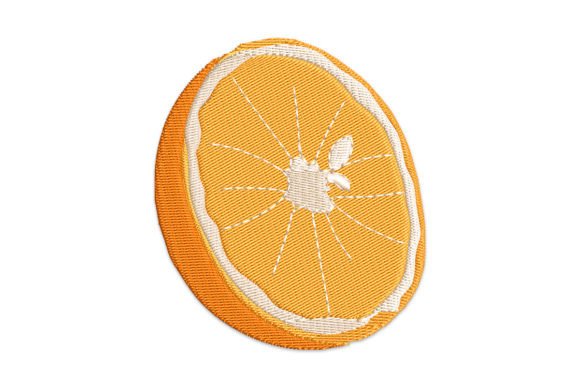
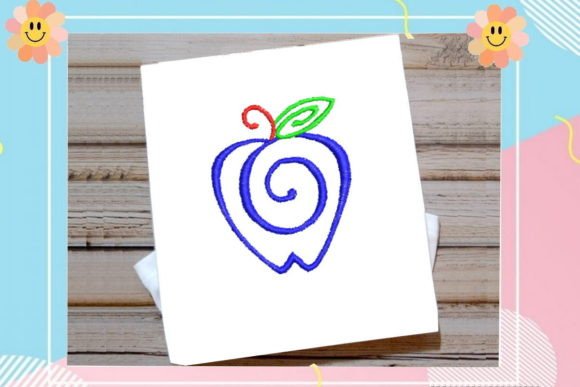
As an experienced embroidery designer who has spent years refining designs for commercial use, I often evaluate new digital assets before recommending them to clients. When I first encountered Beautiful Apple, a design categorized under the Food type within the Embroidery collection, my immediate thought was not just about its aesthetic appeal, but how it would translate into a tangible asset for small business owners. The product description notes that this is a high-quality embroidery design capable of making any fabric look sweet and modern. While those are lovely adjectives, in the world of branded merchandise and custom apparel, we need to dig deeper into functionality, brand identity, and production viability.
First Impressions: Personality and Brand Fit
The name Beautiful Apple immediately suggests a vibe that is friendly, approachable, and perhaps slightly rustic or organic. In the context of branding, this design feels less like a corporate logo and more like a mark of authenticity. It strikes a balance between playful and elegant, making it an excellent candidate for businesses that want to project a handmade, artisanal image. Whether you run a boutique bakery, a creative studio, or a local florist shop, the visual personality of this design aligns perfectly with brands that value warmth and quality.
However, "sweet and modern" can sometimes be a double-edged sword if the design lacks structural integrity when stitched. From a professional standpoint, the initial assessment relies heavily on how well the design holds up under the tension of the machine. Does it feel premium? Yes, if the stitch density is managed correctly. Does it feel decorative? Absolutely. This duality makes it versatile for everything from customer gifts to staff uniforms, provided the execution is precise.
Real-World Application for Small Business Merch
When evaluating a design for commercial production, we must imagine it in various real-world scenarios. Let us consider a small café looking to launch a line of aprons and tote bags. Beautiful Apple could serve as a charming chest logo accent or a central motif on the back of an apron. The food category association makes it particularly effective for bakeries, juice bars, or pet brands that incorporate natural elements into their identity.
For Etsy sellers and craft business assets, this design offers a significant advantage. Handmade products often struggle with visual consistency across different platforms. An embroidered patch featuring this design adds a layer of professionalism that elevates the perceived value of the finished product. Imagine a floral shop selling bouquets; attaching a small, high-quality embroidered patch to the packaging ribbon creates a memorable unboxing experience that encourages social sharing.
Caps and work shirts are another critical area. A cap design requires a specific attention to curvature and scale. If Beautiful Apple maintains its clarity when reduced to fit a cap front, it becomes a powerful tool for team branding. Similarly, for event merch or product labels, the design acts as a seal of approval. Customers trust brands that pay attention to detail, and a clean, well-executed embroidery file signals that the business cares about quality.
Strategic Uses for Custom Apparel
- Staff Uniforms: Use the design on the left chest of work shirts to create a cohesive team look without being overly aggressive.
- Tote Bag Design: Large tote bags benefit from the "modern" aspect of the design, turning a simple canvas bag into a marketing tool.
- Apron Embroidery: For chefs and bakers, this design reinforces the theme of the kitchen while adding a touch of elegance.
- Product Packaging Accents: Stitching the design onto hang tags or fabric labels attached to clothing items enhances the unboxing experience.
Where Caution Is Required
Despite its potential, no single design fits every scenario. As a designer, I must advise caution when applying Beautiful Apple to certain substrates or sizes. One of the primary concerns in commercial embroidery is the relationship between stitch density and fabric texture. If the design contains detailed outlines or intricate fills, placing it on a textured fabric like heavy denim or raw linen might obscure the details.
Small patch sizes present another challenge. If you intend to use this as a tiny logo on a pen or a keychain, the design may lose definition. The curves of an apple shape can become muddy if the stitch count is too low for the physical dimensions. Furthermore, curved surfaces like the front of a cap require careful digitizing to ensure the design does not pucker or distort. Dark uniforms also pose a risk; if the thread colors chosen do not offer sufficient contrast against the dark background, the "sweet and modern" aesthetic will be lost in shadow.
Frequent washing is a factor often overlooked by beginners. Designs with high stitch density can cause the fabric to stiffen over time, leading to wear and tear around the edges. For items that need frequent washing, such as daily work shirts or children's clothing, it is crucial to test the durability of the Beautiful Apple file before committing to a large production run.
Impact on Brand Identity and Customer Trust
In the competitive landscape of small business merch, visual consistency is king. A well-chosen design like Beautiful Apple contributes significantly to brand recognition. When customers see the same high-quality embroidery on a tote bag, a hat, and a product label, they subconsciously associate that consistency with reliability and professionalism. This builds trust and engagement, turning casual buyers into loyal advocates.
The design also influences the perceived value of the finished product. A garment with a poorly executed logo looks cheap, whereas a design with proper spacing and thread color contrast looks expensive. By using a design that balances playfulness with structure, you signal to your audience that your brand is both fun and trustworthy. This emotional connection is vital for handmade brands and digital embroidery file buyers who are looking to establish a unique market presence.
Practical Designer Notes for Production
Before you upload this file to your machine for a commercial project, there are several technical steps you must take. First, always test the design in black and white. This helps you visualize the stitch density and spacing without the distraction of color. Next, check if it works at the intended small patch size. If the design is too complex for a 2-inch patch, you may need to request a simplified version from the designer.
Review thread color contrast carefully. Ensure that the selected threads pop against the fabric texture you are using. Inspect the spacing between elements to prevent thread breaks during high-speed production. Confirm the hoop size required for the design to avoid unnecessary trimming or re-hooping, which can ruin the alignment.
It is also essential to test on real fabric rather than just stabilizer. Different materials react differently to tension and heat. Use proper stabilizer to support the fabric and prevent puckering. Create a printable mockup for client approval before cutting fabric; this saves money and ensures everyone is on the same page. Finally, compare this design beside other design assets in your library to ensure it fits the overall aesthetic of your brand.
While the product description confirms that Beautiful Apple is a high-quality embroidery design suitable for clothing and home decor, it does not specify exact stitch counts, file formats, or license terms. Therefore, it is imperative that you verify these details with the source before beginning production. Commercial licensing is a non-negotiable step for anyone planning to sell items bearing this design. Without the correct rights, you risk legal complications that could jeopardize your small business.
In conclusion, Beautiful Apple represents a strong opportunity for small business owners, embroidery shops, and apparel decorators looking to add a touch of sweetness and modernity to their offerings. With careful planning, proper testing, and attention to technical details, this design can become a cornerstone of your brand identity, enhancing customer trust and elevating your product line.